
Proper preparation, lasting protection
Exterior House Painting, Surrey
Weather-resistant, properly prepared exterior finishes that protect your home and look excellent for years.
Proper preparation, lasting protection
Weather-resistant, properly prepared exterior finishes that protect your home and look excellent for years.
Exterior painting fails early for one reason: poor preparation. Skipping the scraping, filling, sanding and priming to save time means paint that peels in two winters instead of lasting six or eight years.
Dean treats exterior preparation as the most important part of the job. Every surface is assessed, cleaned, and properly prepared before a brush or roller goes near it. The result is a finish that protects your home's structure and holds its appearance through Surrey's wet winters.


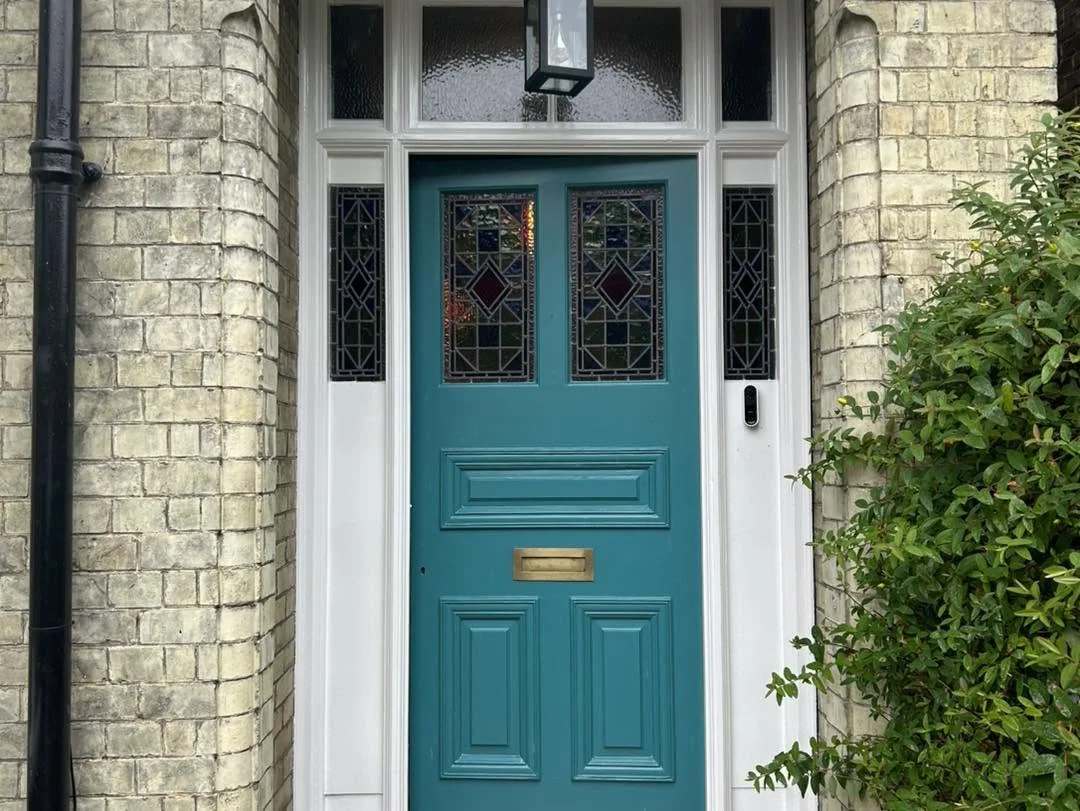
Not all exterior paints are equal. Dean selects the appropriate coating for each surface - masonry paint for render, specialist wood treatments for boarding, high-build formulas for weathered surfaces. The right paint applied correctly to properly prepared surfaces is what delivers lasting results.
Dean will advise on the best products for your specific property at the quoting stage, including whether any structural repairs should be addressed before painting.
What time of year is best for exterior painting?
Spring through early autumn gives the best conditions. Paint needs dry weather and temperatures above about 10°C to apply and cure properly. Dean will advise on timing and will not apply paint in conditions that would compromise the result.
How often does exterior paintwork need redoing?
Properly prepared and painted exterior woodwork typically lasts 6–8 years before it needs refreshing. Masonry can go longer. Peeling, blistering or fading early usually points to inadequate preparation or an inappropriate product — not an inherent problem with painting exteriors.
Do you prepare the surfaces before painting?
Preparation is the most important part of an exterior job. Dean will sand, scrape back any loose or flaking paint, fill cracks, apply preservative where needed, and prime bare wood before any finish coat goes on. A properly prepared surface is the difference between a finish that lasts and one that fails within a year.
Can you paint render and masonry?
Yes. Render, brick, block and stone can all be painted with the right masonry products. Dean will assess the condition of the render first — if there are cracks, patches or damp issues, these need addressing before painting or the finish won't hold. A fresh coat of masonry paint on well-prepared render can transform the outside of a house.
What about fascias, soffits and gutters?
Dean includes fascias, soffits, bargeboards and window frames in exterior painting packages where these are timber. uPVC cannot be painted with standard exterior paints and generally doesn't need it. If you have a mix of timber and uPVC, Dean will advise which elements benefit from painting at the quote stage.
Why is my existing exterior paint peeling?
The most common causes are moisture trapped behind the paint film, inadequate preparation before the previous paint was applied, or the wrong type of paint for the surface. Painting over peeling paint never works — the new coat peels with the old one. Dean will always identify and address the cause rather than paint over the problem.
How long does exterior painting take?
A typical semi-detached house exterior takes three to five days depending on the scope — whether it includes masonry, what condition the woodwork is in, and how much preparation is needed. Dean will give you a realistic timeline at the quote stage.
Do you use scaffolding for high areas?
For most standard two-storey houses, Dean works from ladders and steps. Where scaffolding is genuinely required for safe access — on a tall or complex elevation, for example — this is factored into the quote. Dean will not compromise on safe working at height.