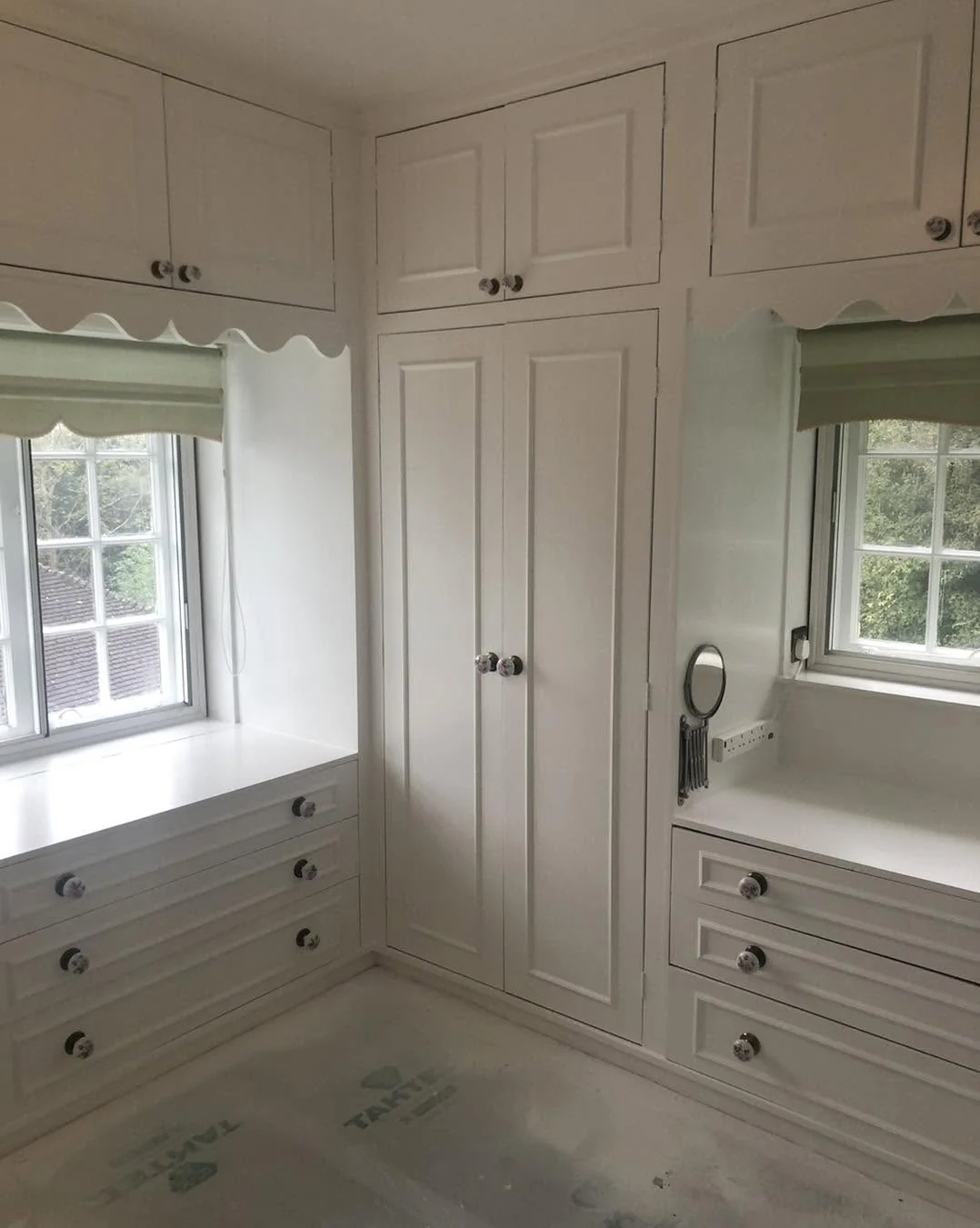
Do you spray on-site or take items to a workshop?
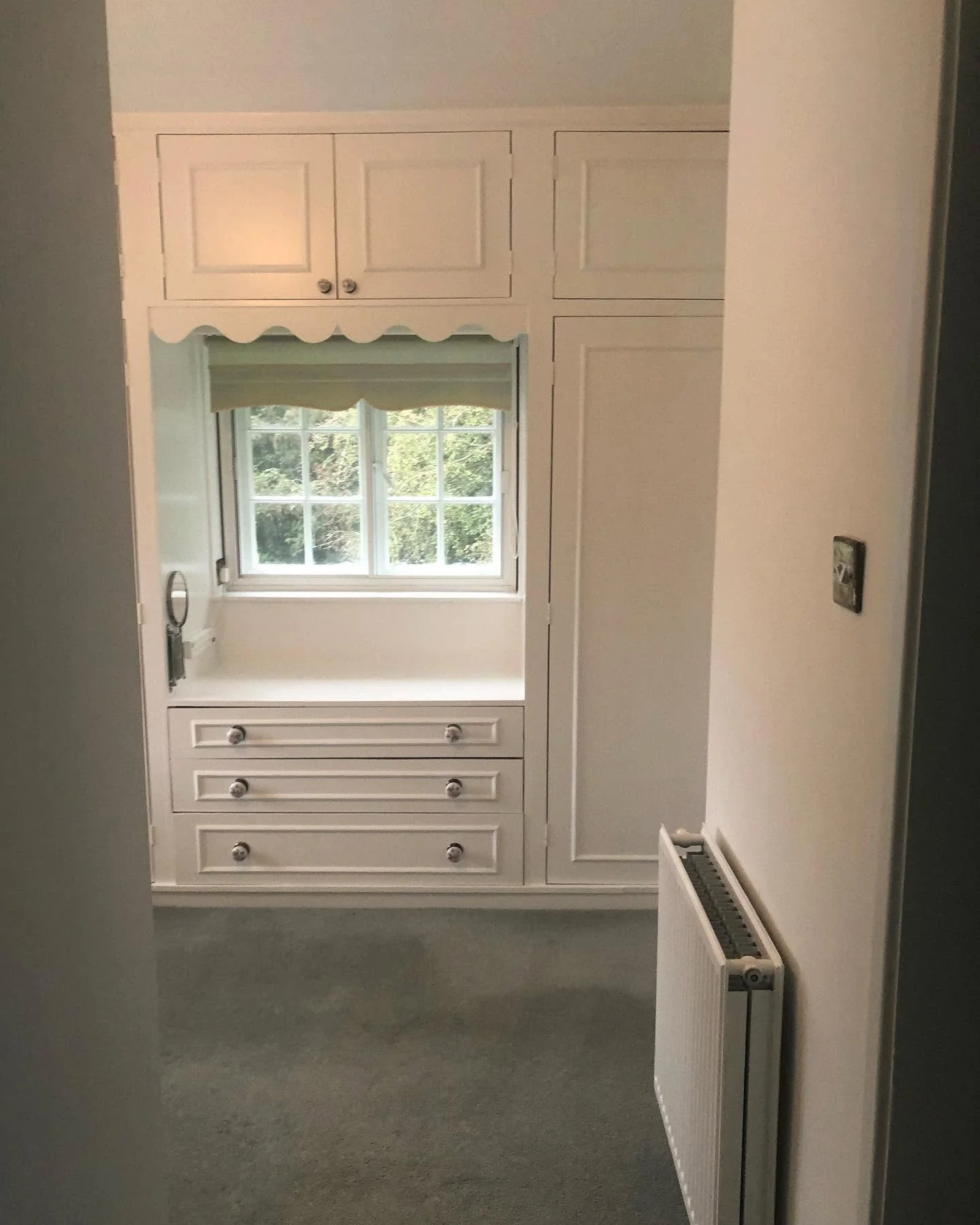
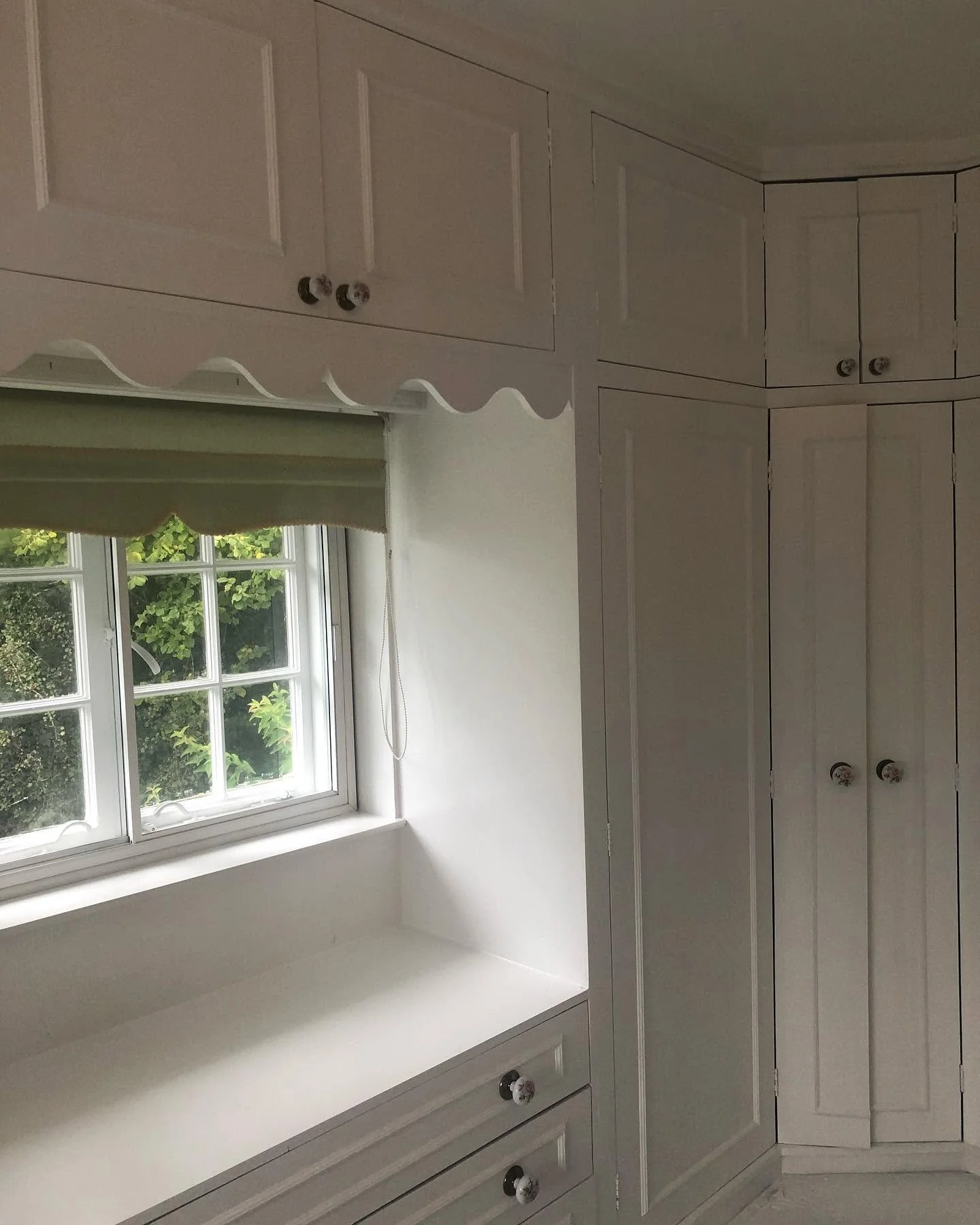
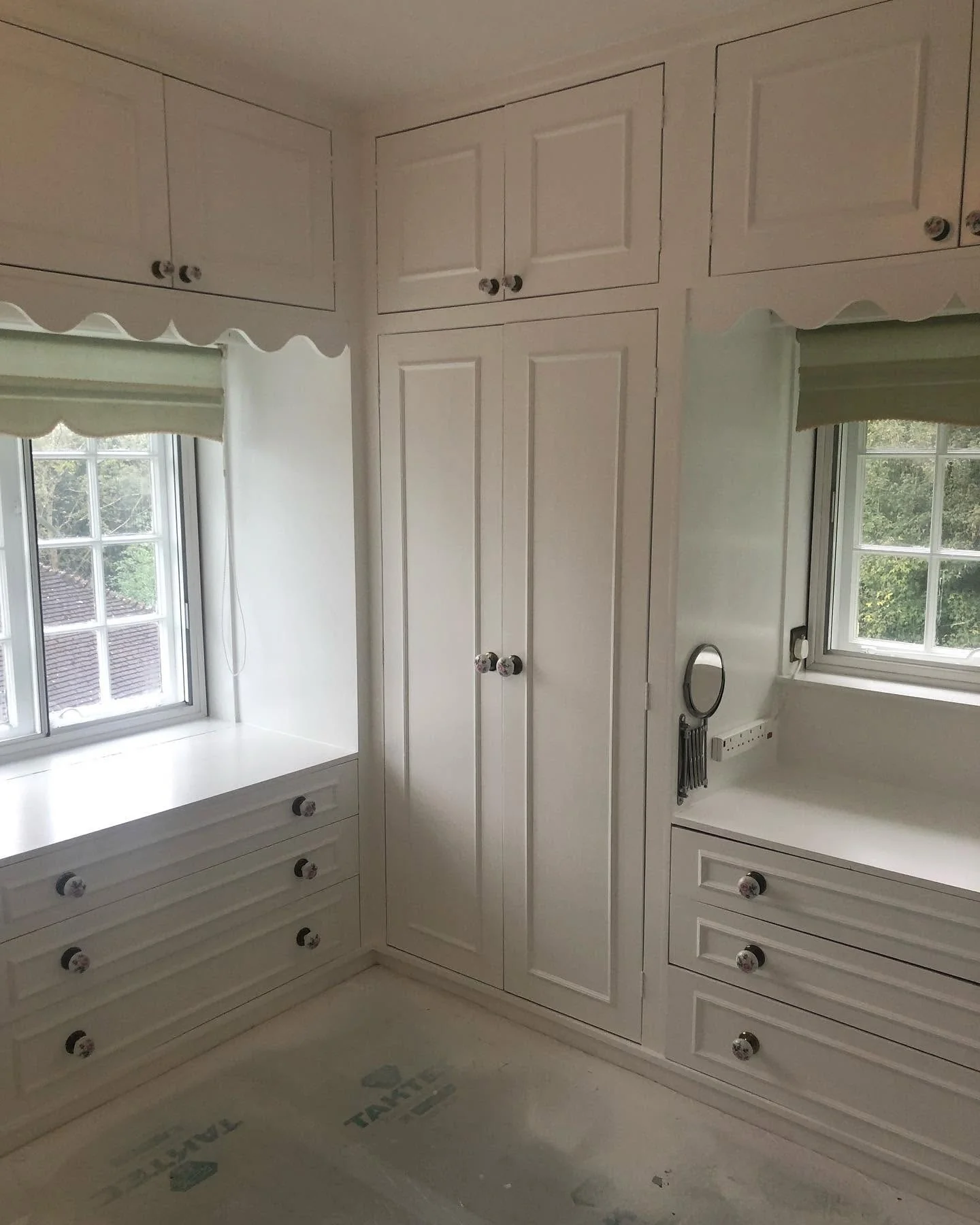
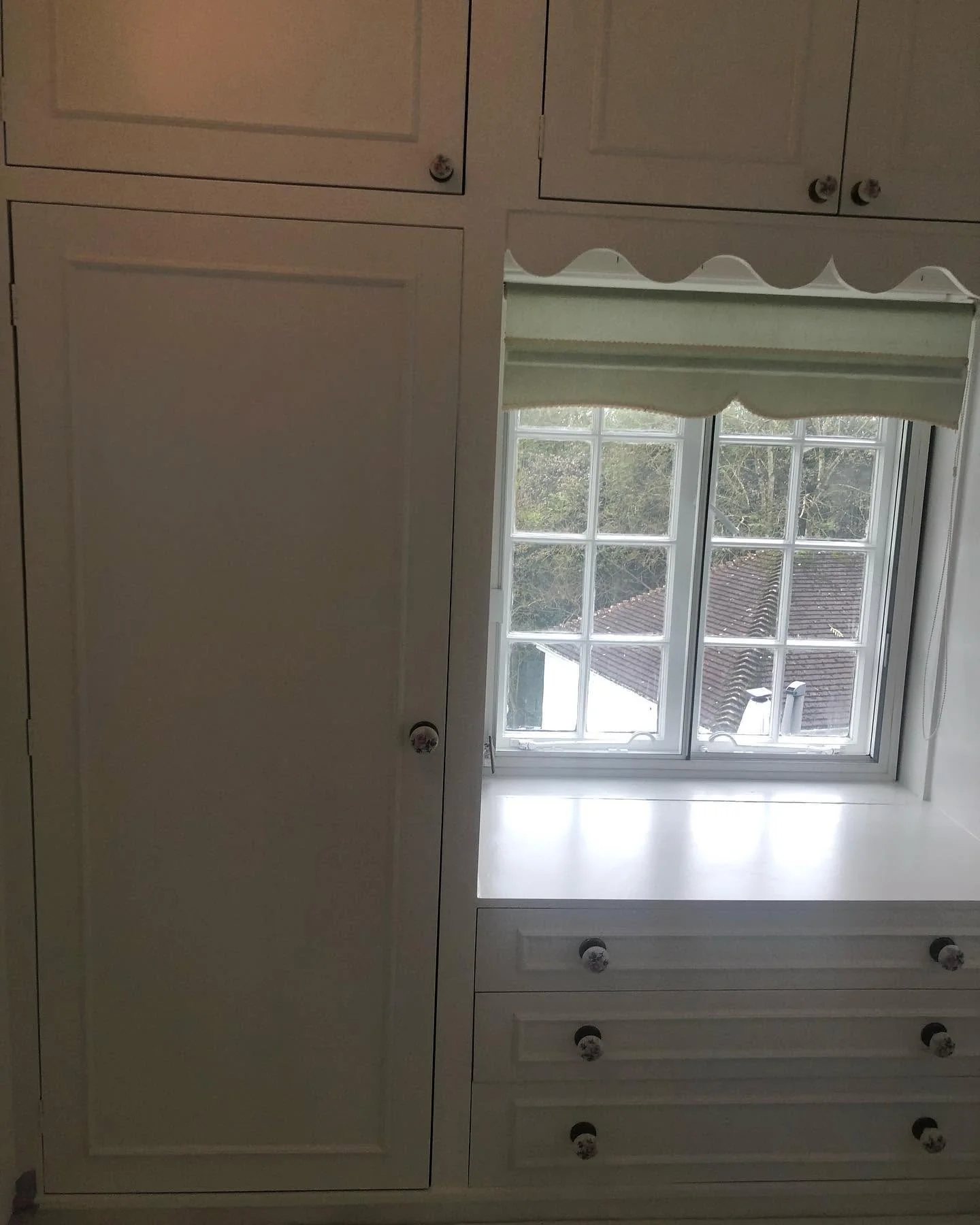
Dean sprays on-site. Fitted kitchens and wardrobes can't be moved, and on-site spraying with proper masking and extraction gives excellent results without the disruption of removing and reinstalling everything.
How long does the spray finish last?
A properly prepared and applied spray finish on kitchen cabinets should last 8–12 years with normal use. The preparation is critical — a finish applied over grease or inadequate primer will fail regardless of how good the top coat is.
Can you match a specific RAL or Farrow & Ball colour?
Yes. Dean can work from any RAL code, NCS code, or a named colour from any major brand including Crown, Farrow & Ball, Little Greene and Dulux. If you have a specific colour in mind, bring the reference and Dean will get it mixed precisely.
Is spray painting safe indoors?
Yes, when done correctly. Dean uses low-VOC water-based coatings where appropriate and ensures adequate ventilation. All food surfaces, soft furnishings and adjacent areas are protected with professional masking before any spraying begins.
What's the difference between spray painting and brush painting?
Brush and roller painting, even done expertly, leaves a slight texture. On flat surfaces like cabinet doors, that texture is visible once the paint dries. Spray painting atomises the paint into tiny droplets that land evenly, producing a completely smooth, factory-quality finish.
Do I need to leave the house while you spray?
Not necessarily, though it depends on the job. Dean uses water-based coatings with low odour and adequate ventilation throughout. For a kitchen spray, you'd need the kitchen out of use for the working days. Dean will talk through what's practical when he visits to quote.
Can you spray over existing paint?
Yes, provided the existing paint is sound, well-adhered, and properly prepared. Dean will degrease, lightly sand and prime all surfaces before spraying. If the existing paint is flaking or poorly applied, it may need to be stripped back first. Dean will always tell you this upfront at the quote stage.
What finish options are available?
Eggshell and satin are the most popular for kitchens and joinery — durable, washable, and less harsh than full gloss. Full gloss is available for those who want maximum sheen. Dean will advise on what works best for the specific surface and how it will look in your space.